The slime that went from a social media joke to a bathroom shelf staple. What is in it, what the studies actually tested, the allergy question, how it is collected, and what 6 skincare experts said about it on camera.
Snail mucin sounds like a dare, and plenty of people still try it as one. Then the questions start. Is snail slime on your face actually doing anything? Could it break you out, or set off an allergy? And how do they get the slime off the snails in the first place?
Squeamishness aside, most of the experts we follow like it, as a hydrating, soothing layer that sits easily in most routines, and one pair of dermatologists rates the research on it highly. The dissent comes from a medical esthetician who has stopped using it because of breakouts and possible allergy.
We went through 8 mentions of snail mucin from 6 skincare experts we track, among them dermatologists, a medical esthetician and a skincare consultant. Together they give it a Guru Score of 83%. Below, what the experts said sits next to what the studies found, including how small those studies are, the dust mite question and how the slime is collected.
The quick answer
Snail mucin (snail secretion filtrate) is a hydrating, soothing skincare ingredient made from the slime snails produce. Most of the experts we track recommend it, mainly for hydration. The slime is a mix of glycoproteins, hyaluronic acid, glycolic acid and allantoin [2, 3]. Small trials found improvements in fine wrinkles and in skin hydration after laser treatment [4, 6], but reviewers stress that most of the evidence is lab work or small studies [1].
Before you buy
What to look for in a snail mucin product
Snail secretion filtrateThat is the name it usually goes by on an ingredient list. Most of the research is on the garden snail [11].
A light essence or serumTreat it like any hydrating serum, and seal it in with a moisturiser, since a watery layer on its own can evaporate.
A brand that explains its sourcingThe label will not tell you how the slime was collected [3], so if that matters to you, look for a brand that says.
A patch test if you have allergiesSnails and dust mites share allergy proteins [10]. If you are allergic to mites or shellfish, try it on a small patch first.
Snail mucin at a glance
Question
What we found
What is it used for?
Hydrating and soothing skin. It is also sold for wrinkles, marks and post-treatment recovery, where the evidence is thinner [1].
Do skincare experts recommend it?
Mostly, as a hydrating, soothing layer. The dissent is about breakouts and allergy.
What is in it?
Glycoproteins, hyaluronic acid and other glycosaminoglycans, glycolic acid, allantoin, peptides and minerals [2, 3].
How strong is the evidence?
Promising but small. Most studies are lab or animal work or small clinical trials [1].
Can it cause allergy?
It can, in principle. Snails and dust mites share allergy proteins, though the documented reactions are mostly from eating snails [10, 11].
Are snails harmed?
Collection methods vary, from hand stimulation to acidic rinses, and most claim to be cruelty free. The label will not say which was used [3, 12].
Snail mucin for skin: what does it do?
Snail mucin is the slime snails secrete, filtered and added to essences, serums and creams. On an ingredient list it usually appears as snail secretion filtrate. Most of the research is on the garden snail, Helix aspersa (also called Cryptomphalus aspersa), and the giant African snail is also used commercially [11].
The slime is a complex mix. Reviews list glycoproteins, hyaluronic acid and other glycosaminoglycans, antimicrobial peptides, glycolic acid, allantoin, vitamins and minerals [2, 3]. Several of those are familiar skincare ingredients in their own right: hyaluronic acid holds water, and allantoin is used for soothing. The exact recipe varies with the snail, its diet, the season and how the slime is collected [3].
In skincare it is sold mainly for hydration, with claims for wrinkles, scarring, acne and pigmentation on top [1]. Snail remedies for the skin are not new: reviews trace them back to ancient Greece and traditional Chinese medicine [2].
The short versionSnail mucin is a mix of hydrating and soothing compounds in one ingredient. Hydration is its everyday job; the bigger claims rest on smaller studies.
What do skincare experts say about snail mucin?
Here is what each of them said on camera, with a link to the moment they said it.
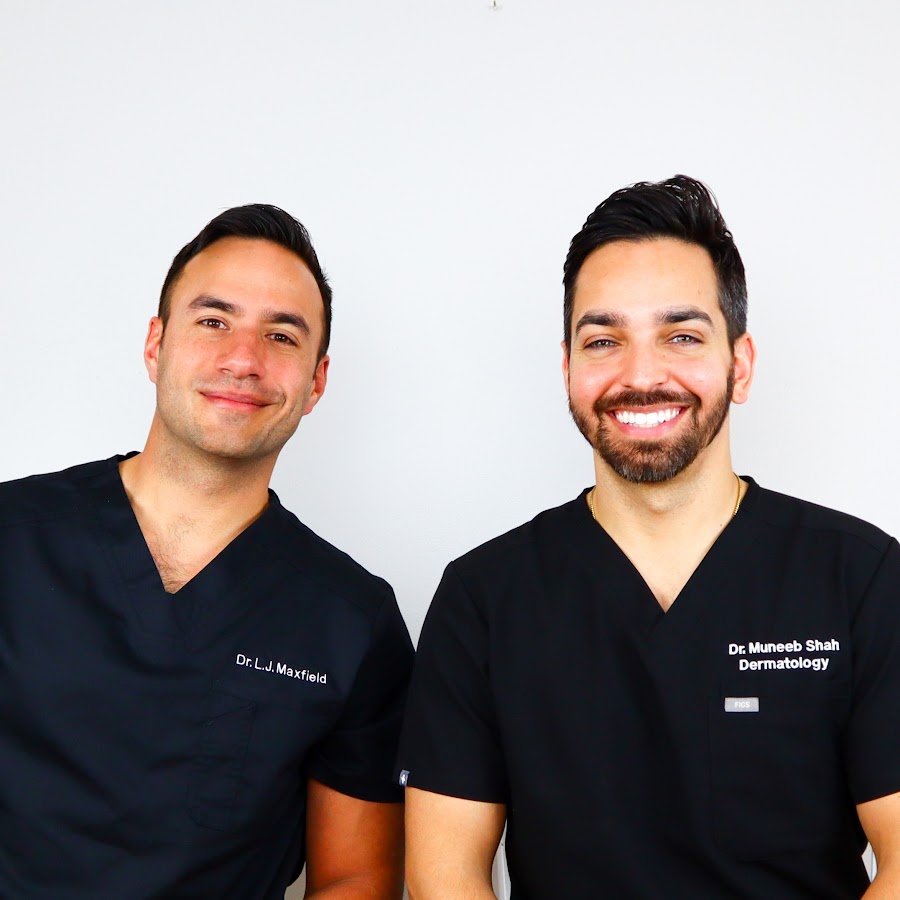
Rate it one of the best-studied trendy ingredients, pointing to trials on photoageing, wrinkles and hydration.
It may be one of the greatest ingredients of all time. [...] They've done a tremendous amount of studies on Snail Mucin, and [...] I've seen ones done at academic centers, multi-study ones, split face ones against placebo. [...] They've actually shown quite a bit of different clinical benefits to the skin. They've looked at photoaging and shown an improvement in wrinkles.Watch ▸
Calls it an incredible ingredient for dehydration and a damaged moisture barrier, and says the data on it is good.
snail mucin is an incredible skincare ingredient for the skin that helps with resolving dehydration a broken moisture barrier. It helps to fight damage and premature aging within the skin. [...] And the data that we have around it is just pretty much all good.Watch ▸
Has dropped snail mucin from her routine, mainly because she sees it breaking people out.
Snail Mucin is not in my routine just because of the way that they wash the snails or put them on electric mats, but it's because Snail Mucin has actually been breaking people out. There are so many people specifically on TikTok like, hey, I'm trying Snail Mucin and it is making my skin so much worse.Watch ▸
Key takeawayThe experts mostly reach for snail mucin as a hydrating, barrier-friendly layer. The dissent is about breakouts and allergy, not about whether it hydrates.
Where do the experts agree?
The verdicts are mostly warm, and the caveats are where the useful detail sits.
Where they agree
Its everyday strength is hydration and comfort.
It is gentle enough to sit in most routines alongside other actives.
There is more research on it than its reputation as a gimmick suggests.
The caveats
Most studies are small, and many test branded formulas rather than the slime alone [1].
Snails and dust mites share allergy proteins; if you are allergic to mites or shellfish, patch test first [10].
One expert links it to breakouts. We found no study on that, but stop it if your skin gets worse.
How the slime is collected varies, and the label will not say [3].
What does the research say about snail mucin?
More than you might expect for something that sounds like a gimmick, and less than the marketing suggests. A 2024 review found that most snail mucin studies are lab work or small clinical trials, and called for larger trials to back up the claims [1]. Many of the human studies use one branded snail secretion, sometimes alongside other active ingredients, so the results describe a formula as much as the slime.
Wrinkles and sun-damaged skin
In a 12 week split-face trial in 25 people with sun-damaged skin, products containing 8% and 40% snail secretion improved wrinkles around the eyes more than placebo [4]. The participants themselves noticed finer lines at 8 weeks, but did not report a significant difference in the overall quality of their skin [4].
A three month trial in 50 women aged 45 to 65 combined snail secretion with a snail egg extract. The treated group improved more in roughness, firmness and elasticity than the placebo group, but both groups improved in fine lines and wrinkles, and the authors call for larger studies [5].
Hydration and the skin barrier
Doctorly point to a big drop in water loss through the skin. The trials are less clear cut. In the anti-ageing trial above, water loss through the skin fell in the snail group [5]. In a split-face trial after laser resurfacing, a snail cream raised skin hydration compared with placebo by day 14, but water loss through the skin was no different [6].
After procedures and on wounds
This is the most interesting strand. In 10 people treated with an ablative laser, a 40% snail secretion product applied from the same day sped up visible recovery compared with the plain base [7]. In 27 adults with partial thickness facial burns, a snail extract cream healed the burns faster and hurt less than a standard burn ointment, though that study was not randomised [8].
These were small studies under medical care. They are a reason to take the healing claims seriously, not a reason to put a shop-bought essence on a fresh wound.
Acne and marks
In a 12 week trial in 66 people with acne from wearing face masks, a serum combining snail secretion with calendula and liquorice root reduced inflamed spots more than placebo, with no difference in blackheads or whiteheads [9]. Because it was a combination serum, the trial cannot say how much was down to the snail. We found no good trial of snail mucin on its own for acne marks or pigmentation.
The thing to rememberSmall trials support snail mucin for hydration, fine wrinkles and recovery after procedures. The studies are small and often test branded formulas, so treat it as a promising helper, not a proven treatment.
Snail mucin, allergies and breakouts
Both the dissent and one of the fans raise the same allergy point: dust mites. The science behind it is real but mostly about food. Snails are molluscs, and molluscs carry allergy proteins, such as tropomyosin, that are also found in dust mites [10, 11]. Reports describe people with dust mite allergy reacting badly after eating snails, and lab tests suggest dust mites may be what sensitised them in the first place [10]. Allergic reactions to mollusc products can also happen through the skin [11].
What we could not find is a study measuring how often snail skincare causes reactions in people with dust mite allergy. Doctorly are doubtful it matters much in practice, since dust mite allergy is common and the snail studies have not shown a problem, but they still suggest caution if you know you are allergic. That is a fair reading of the evidence.
Cassandra Bankson also links snail mucin to breakouts, especially the small, uniform bumps of what is often called fungal acne. We found no study testing that. If a snail product makes your skin worse, stop it, whatever the cause.
If you remember one thingIf you are allergic to dust mites or shellfish, test snail mucin on a small patch first, or ask an allergist. If it breaks you out, stop.
How is snail mucin collected?
Snails make more slime when stimulated. Some producers massage the snails by hand or machine. Others rinse them with mild acid solutions, such as citric or lactic acid, or salt water, sometimes in machines that use ozone to keep the product clean [3]. One system, known as the Muller method, sprays farmed snails with an acidic solution for about half an hour to trigger secretion while keeping them alive [2, 12].
Producers generally describe these methods as cruelty free [3]. The method also changes the product: in a 2024 study, slime collected without an acid rinse contained more protein than slime collected with citric acid [3]. A dermatology review notes there is little data on the social or environmental impact of harvesting [11].
Doctorly describe brands letting snails crawl in dark, calm rooms and collecting what they leave behind, while Cassandra Bankson questions the extraction methods. The ingredient list will not tell you which method a brand uses, so if it matters to you, look for a brand that explains its sourcing.
Worth knowingMost snail mucin comes from farmed snails stimulated to secrete, and most methods claim to leave them unharmed. The label will not tell you how it was done.
How do you use snail mucin in a skincare routine?
Snail mucin usually comes as a watery essence or a light serum, and sometimes in creams, eye creams and masks. Treat it like any hydrating serum: thin layers first, richer creams after.
Where it goes in your routine
Cleanse, apply any treatment serum, then a few pumps of snail essence, then moisturiser. In the morning, finish with sunscreen. It can go on morning and night.
If your skin is dry or dehydrated
This is where the experts are keenest. Hyram talks about it for dehydration and a broken moisture barrier, and Dr Dray likes it for being hydrating. Seal it in with a moisturiser, since a watery layer on its own can evaporate.
If you are allergic or breakout-prone
Patch test first: use it on one small area for a week or two before using it all over. If you have a known dust mite or shellfish allergy, ask an allergist [10]. Stop if you get itching, redness or new bumps.
After a treatment
The post-procedure studies used specific products under medical supervision [6, 7]. After a laser, peel or microneedling, use what your clinician recommends rather than improvising.
The short versionUse it after cleansing and before moisturiser, once or twice a day. Patch test first if you have allergies or break out easily.
What can you use snail mucin with?
Snail mucin is easy to pair. It is not a strong exfoliant or a prescription active, so it rarely clashes. Add one new product at a time, so you can tell what your skin is reacting to.
Snail mucin and retinoids
A hydrating layer is a common companion to a retinoid, which can leave skin dry. We found no study of snail mucin and retinoids together, so this is routine sense rather than tested evidence. Bring the retinoid in slowly whatever you pair it with.
Snail mucin and hyaluronic acid
Snail mucin already contains hyaluronic acid [2]. Using both is fine but often doubles up. Pick whichever texture you prefer and follow it with a moisturiser.
Snail mucin and acids or vitamin C
The slime contains a little glycolic acid of its own [2, 3], but snail products are not sold as exfoliants. They can sit in the same routine as an exfoliating acid or vitamin C serum. Apply the active first, then the snail essence.
The experts' picks, by what you need
The best one for you depends on your skin and your budget, so here is the top-rated pick for each need, from the products below.
A product's score is not the ingredient's score: the rest of the formula, the texture and any added fragrance all shape the verdict. These are the highest-scoring products with snail in the name that at least three experts have rated, ranked by Guru Score.
Snail mucin mainly hydrates and soothes. It contains hyaluronic acid, glycoproteins, glycolic acid and allantoin [2, 3]. Small trials found it raised skin hydration after laser treatment and improved fine wrinkles compared with placebo [4, 6]. The skincare experts we track mostly recommend it, though reviewers say larger trials are still needed [1].
02
Does snail mucin actually work?
For hydration, the small trials are encouraging. For wrinkles, a 12 week split-face trial in 25 people found improvement around the eyes compared with placebo [4]. A 2024 review notes that most of the evidence is lab work or small clinical studies, often of branded formulas [1]. So it works as a hydrating ingredient, and the bigger claims are promising rather than proven.
03
Is snail mucin good for acne?
Possibly, but the evidence is thin. In one trial a serum combining snail secretion with calendula and liquorice root reduced inflamed spots from mask wearing more than placebo [9], but it cannot show what the snail contributed. Cassandra Bankson has seen it break people out. If you are acne-prone, try it on one area for a couple of weeks first.
04
Does snail mucin help with acne scars and dark marks?
We found no good trial of snail mucin on its own for acne marks or pigmentation. Reviews list scarring and pigmentation among its claimed uses, but say the studies behind them are mostly preclinical or small [1]. For dark marks, ingredients such as azelaic acid or tranexamic acid have stronger evidence.
05
Can snail mucin cause an allergic reaction?
It can. Snails share allergy proteins such as tropomyosin with dust mites and shellfish [10, 11], and people with dust mite allergy have reacted badly after eating snails [10]. Reactions to mollusc products can also happen through the skin [11]. We found no study measuring how often snail skincare triggers this, but if you have a mite or shellfish allergy, patch test first or ask an allergist.
06
Is snail mucin safe if you have a dust mite allergy?
Go carefully. Dust mites and snails share allergy proteins, and the documented reactions are mainly from eating snails [10]. Doctorly doubt it matters much for skincare in practice, but still suggest caution if you know you are allergic to dust mites. Test a small patch for a week or two, and stop if you get itching or redness.
07
Is snail mucin safe in pregnancy?
We found no research on using snail mucin on the skin during pregnancy, and none flagging a concern. Nipun Kapur, who uses it, considers it safe while pregnant or nursing. It is not an active like a retinoid, but because the research is limited, check with your doctor or midwife if you are unsure about anything in your routine.
08
How is snail mucin collected?
Farmed snails are stimulated to produce extra slime, either by gentle massage or by rinsing them with mild acid or salt solutions, and the slime is filtered [3]. One system sprays the snails with an acidic solution for about half an hour while keeping them alive [2, 12]. Producers describe these methods as cruelty free [3], but the label will not tell you which method was used.
09
Can you use snail mucin every day?
Yes. It is a gentle, hydrating ingredient that fits morning and evening routines. Apply it after cleansing and any treatment serum, then follow with moisturiser, and sunscreen in the morning. If you have allergies or break out easily, start on a small patch and build up.
10
Can you use snail mucin with retinol?
Yes. A hydrating layer is a common companion to retinol, which can dry the skin. We found no study testing the two together, so this is routine sense rather than tested evidence. Apply the retinol, then the snail essence, then moisturiser, and introduce the retinoid slowly.
11
Is snail mucin better than hyaluronic acid?
They overlap, because snail mucin contains hyaluronic acid along with glycoproteins, allantoin and glycolic acid [2, 3]. Hyaluronic acid serums are simpler and carry no snail allergy question. Snail essences offer a broader mix, with small trials behind them [4, 6]. Choose by how your skin responds; there is no need to use both.
12
Can you use snail mucin after microneedling or a laser?
Studies have tested snail products after laser resurfacing, and they sped recovery and improved hydration in small trials [6, 7]. Those were specific products used under medical supervision. After any procedure, use what your clinician recommends, since freshly treated skin absorbs more and reacts more easily.
13
Do dermatologists recommend snail mucin?
The dermatologists among our experts do. Doctorly rate the research on it highly, and Dr Dray likes it for hydration. The one Nay comes from Cassandra Bankson, a medical esthetician, who has seen it break people out.
The experts behind the score
6 experts, 8 mentions, every one traced to a video you can watch. Sponsored takes are excluded.
Singh N, Brown AN, Gold MH. Snail extract for skin: A review of uses, projections, and limitations. Journal of Cosmetic Dermatology, 2024. pubmed.ncbi.nlm.nih.gov/38429932/
Rashad M, Sampò S, Cataldi A, Zara S. Biological activities of gastropods secretions: snail and slug slime. Natural Products and Bioprospecting, 2023. pubmed.ncbi.nlm.nih.gov/37870705/
Di Filippo MF et al. Influence of the extraction method on functional properties of commercial snail secretion filtrates. Scientific Reports, 2024. pubmed.ncbi.nlm.nih.gov/39333225/
Fabi SG, Cohen JL, Peterson JD, Kiripolsky MG, Goldman MP. The Effects of Filtrate of the Secretion of the Cryptomphalus Aspersa on Photoaged Skin. Journal of Drugs in Dermatology, 2013. pubmed.ncbi.nlm.nih.gov/23652894/
Lim VZ, Yong AA, Tan WPM, Zhao X, Vitale M, Goh CL. Efficacy and Safety of a New Cosmeceutical Regimen Based on the Combination of Snail Secretion Filtrate and Snail Egg Extract to Improve Signs of Skin Aging. Journal of Clinical and Aesthetic Dermatology, 2020. pubmed.ncbi.nlm.nih.gov/32308795/
Theerawattanawit C et al. Snail Soothing and Repairing Cream Improves Skin Hydration after Ablative Fractional CO2 Laser: A Split-Face Randomized Double-Blinded Placebo-Controlled Trial. Skin Pharmacology and Physiology, 2021. pubmed.ncbi.nlm.nih.gov/34038904/
Fernandez-Gonzalez P, Vitale M, Truchuelo MT. Early and maintained application of the secretion of Cryptomphalus aspersa (SCA) 40% improves cutaneous healing after ablative fractional laser in skin aging. Journal of Cosmetic Dermatology, 2021. pubmed.ncbi.nlm.nih.gov/32929855/
Tsoutsos D, Kakagia D, Tamparopoulos K. The efficacy of Helix aspersa Müller extract in the healing of partial thickness burns: a novel treatment for open burn management protocols. Journal of Dermatological Treatment, 2009. pubmed.ncbi.nlm.nih.gov/19058081/
Puaratanaarunkon T et al. Efficacy and safety of a facial serum containing snail secretion filtrate, Calendula officinalis, and Glycyrrhiza glaba root extract in the treatment of maskne: A randomized placebo-controlled study. Journal of Cosmetic Dermatology, 2022. pubmed.ncbi.nlm.nih.gov/35763437/
Mederos-Luis E, Poza-Guedes P, Pineda F, Sánchez-Machín I, González-Pérez R. Gastropod Allergy: A Comprehensive Narrative Review. Current Issues in Molecular Biology, 2024. pubmed.ncbi.nlm.nih.gov/38921026/
Oscherwitz M, Godinich BM, Singh N, Rohr BR. Beyond the shell: malacology in medical dermatology. Archives of Dermatological Research, 2024. pubmed.ncbi.nlm.nih.gov/39180552/
Ricci A, Gallorini M, Feghali N, Sampò S, Cataldi A, Zara S. Snail Slime Extracted by a Cruelty Free Method Preserves Viability and Controls Inflammation Occurrence: A Focus on Fibroblasts. Molecules, 2023. pubmed.ncbi.nlm.nih.gov/36770889/
How this guide was made
This guide combines two kinds of information. The expert consensus comes from 8 mentions of snail mucin by 6 skincare experts in their YouTube videos. Each one was read, given a Yay, Mixed or Nay verdict and linked to the moment it was said. Sponsored takes are excluded. Takes about a named snail product are counted when the expert speaks about the snail mucin in it. The research sections summarise published studies and medical sources, listed in full above.
The Guru Score measures how warmly the experts talk about snail mucin. It is not a measure of clinical effectiveness, and this guide is not medical advice. It has not been reviewed by a doctor.
This guide is general information, not medical advice. The Guru Score reflects how warmly the experts we track talk about snail mucin; it is not a measure of clinical efficacy. Speak to a dermatologist or doctor about a diagnosed skin condition, and before using any medicine.