The gentle anti-ageing family that turns up in serums, moisturisers and eye creams. What peptides do, what the research really shows, how they compare with retinoids, and what 6 skincare experts said about them on camera.
Want an anti-ageing step that will not sting? Someone has probably told you to try peptides. But what are they, exactly? Do they really smooth fine lines, or is "Botox in a jar" just a clever label? And are they a match for retinol, or something gentler to use alongside it?
The reassuring part: the experts we follow are mostly warm on them, and they agree peptides are gentle and easy on most skin. What they question is how much a peptide can do once it is rubbed onto skin. If you just want a name, the peptide product they rate highest right now is SkinFix Barrier+ Triple Lipid & Peptide Cream, with a Guru Score of 91% from 19 experts.
Peptides as a whole earn a Guru Score of 83%. The doubters are not saying peptides do nothing. Their questions are about bold claims such as "Botox in a jar", and the research backs that caution: most peptide trials are small, and many were run or paid for by the companies that make the ingredient [2, 4, 12]. Below, what the experts said sits right next to what the studies found, so you can see where the two line up.
The quick answer
Peptides are short chains of amino acids used in skincare to smooth fine lines, support firmness and help skin hold water. The experts we track are mostly warm on them, and they agree peptides are gentle. The research is encouraging but thin: most trials are small, many are industry funded, and reviews flag that peptides can struggle to get through the skin [2, 7]. Think of them as a gentle supporting step, not a replacement for retinoids or sunscreen [12, 13].
Before you buy
What to look for in a peptide product
Which peptide it isPeptides are a family, not one ingredient, so which peptide matters. They are grouped by how they are meant to work: signal, carrier, neurotransmitter-inhibiting and enzyme-inhibiting [1].
A leave-on formulaSerums, moisturisers and eye creams give peptides the most time on your skin.
Claims that stay modest"Botox in a jar" claims are far stronger than the evidence behind them [5, 7]. Peptides face no premarket rules as cosmetic ingredients, so a claim on the bottle is not proof [2].
What is already in your routineIf your moisturiser already contains peptides, you may not need a separate serum.
Peptides at a glance
Question
What we found
What are they used for?
Fine lines, firmness and hydration, mostly as a gentle anti-ageing step [1, 11].
Do skincare experts recommend them?
Mostly, yes. They agree peptides are gentle, and save their doubts for the bigger claims.
Is it one ingredient?
No. Peptides are a family, grouped by how they are meant to work: signal, carrier (copper peptides belong here), neurotransmitter-inhibiting and enzyme-inhibiting [1].
How strong is the evidence?
Encouraging but thin. Trials are mostly small and often run by the ingredient's makers [2, 4, 12].
Do they irritate?
Rarely. Trials report them as well tolerated, with few side effects [4, 11].
Are they as good as retinol?
Retinoids have the far longer track record for ageing skin [13]. Peptides are the gentler, less proven option.
Peptides for skin: what do they do?
Peptides are short chains of amino acids, the building blocks of proteins. In skincare they are mostly made in a lab and added to serums, moisturisers and eye creams. Reviews describe them as a family rather than a single ingredient, sorted into four groups by how they are meant to work [1, 2].
There is one big hurdle. The outer layer of skin keeps out most molecules much bigger than about 500 daltons [3], and many cosmetic peptides are large, water-loving molecules that struggle to get through. Reviews name poor absorption as a key weakness, along with clinical evidence that is often weak [2, 7]. Peptides also face no premarket regulatory requirements as cosmetic ingredients, so a claim on the bottle does not mean it has been proven [2].
Signal peptides
These are meant to tell skin to make more collagen. The best-studied is palmitoyl pentapeptide (pal-KTTKS). In a 12 week split-face trial of 93 women, a moisturiser with it reduced wrinkles and fine lines more than the same moisturiser without it [4]. The study was run by Procter & Gamble, which uses the ingredient [4].
Copper peptides
Copper peptides (GHK-Cu) pair a small peptide found naturally in the body with copper, and count as carrier peptides [1, 10]. In cell studies GHK boosts collagen and supports the cells that make it [9, 10]. A 2025 review found a surprising absence of clinical studies of GHK-Cu in skincare, despite how widely it is sold [9].
"Botox in a jar" peptides
Neurotransmitter-inhibiting peptides, such as acetyl hexapeptide-8 (sold as Argireline), were designed to mimic how Botox relaxes the muscles behind expression lines [5, 16]. They are far weaker than the real thing [5], and a 2025 review says it is still uncertain whether they can reach the muscles at all when applied to the skin [7].
The short versionPeptides are a family of gentle anti-ageing ingredients. The idea is sound, but getting them into skin is the hard part, and the proof is thinner than the marketing.
What do skincare experts say about peptides?
The fans praise how gentle peptides are. The sceptics doubt the bigger claims, especially the "Botox in a jar" kind. Here is what each of them said on camera, with a link to the moment they said it.
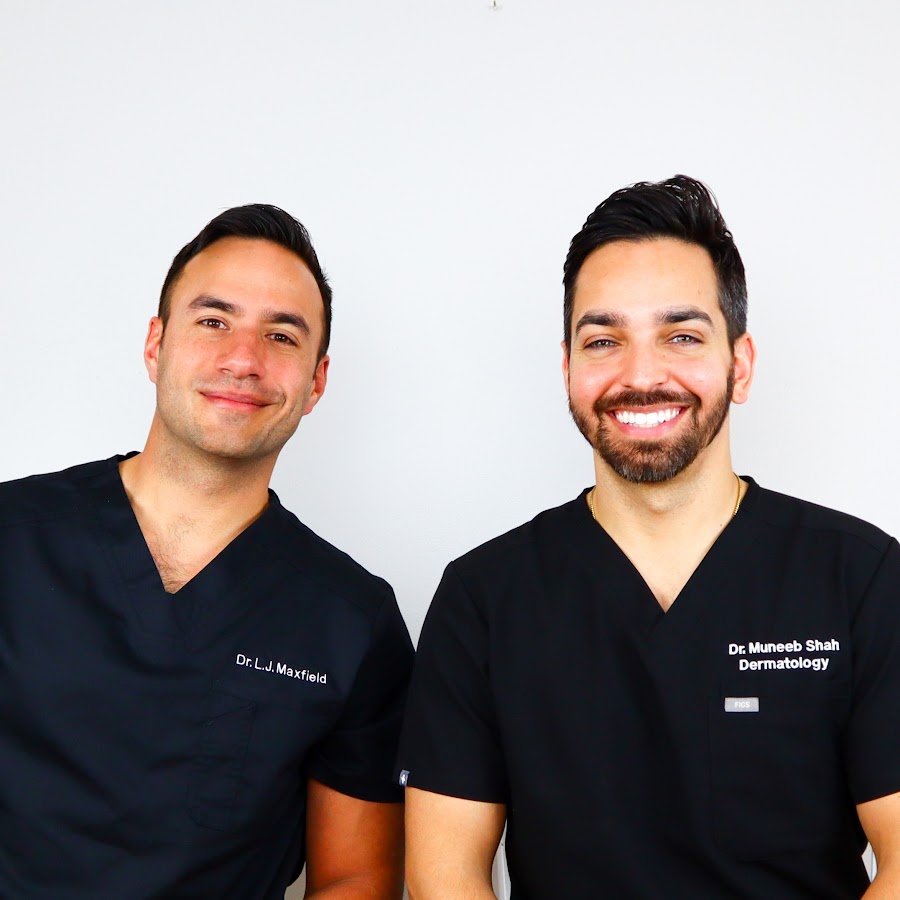
Swapped niacinamide for peptides, calling them a broad family and the gentlest ingredients around.
I substituted peptides for niacinamide. Peptides are not just one ingredient; it's a whole family of ingredients with a very broad range of benefits. The key thing is they are the most gentle ingredients out there. Pretty much anyone can tolerate these, and for me, no exception.Watch ▸
Says most peptides help skin hold water and some may boost collagen, but they are not a must-have.
Most peptides likely help to improve water content in the skin. [...] Some peptides may help to improve collagen production depending on their size, their charge, the delivery system, overall formulation.Watch ▸
Passes on the new "Botox peptide" serums for lack of data, and sticks with peptides that have studies behind them.
I'm not rushing out and buying any of these Botox peptides because I would rather rely on those peptides which have proven anti-aging results.Watch ▸
Key takeawayThe fans call peptides a gentle must-have. The doubters call them a helpful extra, and want proof before they buy into the newest claims.
Where do the experts agree?
Most of the experts are warm on peptides, so the caveats are where the useful detail sits.
Where they agree
Peptides are gentle, and most skin tolerates them well.
They are a family of ingredients, not one, so which peptide matters.
They work best as a supporting step next to retinoids and sunscreen.
The caveats
Most trials are small and many are funded by the ingredient's makers [2, 4, 12].
Getting peptides through the skin barrier is hard, so a lab result may not carry over to your face [2, 7].
"Botox in a jar" claims are far stronger than the evidence behind them [5, 7].
A score for the ingredient is not a score for every product with it in.
What does the research say about peptides?
The research is real but small, and much of it comes from the companies that make or sell the ingredient. A 2017 review of topical peptides put it plainly: the clinical evidence for efficacy is often weak [2]. The signal peptide trial above was run by Procter & Gamble [4], and the first study of Argireline came from the team that designed it [5].
For Argireline, the developers found a 10% emulsion reduced wrinkle depth by up to 30% after 30 days [5]. An independent trial in 60 people in China, who applied it around the eyes twice a day for 4 weeks, found an anti-wrinkle effect in 48.9% of the Argireline group against none on placebo [6]. A US cosmetic safety panel has judged acetyl hexapeptide-8 safe in cosmetics at up to 0.005%, and said there was not enough data to judge higher concentrations [8].
The widest look so far is a 2026 meta-analysis of 19 randomised trials with 1,341 people. Peptides improved hydration and brightness and had a modest effect on wrinkles, but that wrinkle benefit was largely driven by peptides taken by mouth, not those applied to skin. Effects on elasticity were inconsistent. Side effects were minimal, and the authors call for larger trials [11].
The thing to rememberSmall, often industry-funded trials point to a modest benefit with very few side effects. Encouraging, not proven.
Peptides vs retinoids: which is better for ageing skin?
Retinoids have much more evidence behind them. Tretinoin is the most widely studied treatment for sun-aged skin, though retinoids can cause burning, scaling and irritation, which puts people off; retinol and retinaldehyde are gentler [13]. Our retinol guide covers them in detail.
The study most often quoted on the other side compared an 8 week cosmetic routine with 0.02% tretinoin in 196 women. The cosmetic routine improved wrinkles more at 8 weeks and about as much at 24 weeks, and it was better tolerated [12]. Two things to know: it was run by Procter & Gamble, which made the routine, and that routine also contained niacinamide and a retinoid, retinyl propionate, so it does not show what the peptides did on their own [12].
The experts mostly treat the two as partners. Nipun Kapur suggests using a multi-peptide serum alongside retinol, and Dr Dray says peptides are not a must-have for anti-ageing, listing retinol among the basics instead.
If you remember one thingA retinoid is still the stronger anti-ageing step. Peptides are a gentle add-on, or a fallback if your skin cannot tolerate retinoids.
How do you use peptides in a skincare routine?
Peptides come in serums, moisturisers and eye creams, and a leave-on product gives them the most time on your skin. The trials we read ran from 4 weeks to 6 months [4, 6, 12], and the Argireline trial applied it twice a day [6]. Dr Dray notes that if you already use skincare, there is a good chance a peptide is in there somewhere.
Morning or night?
Either. Peptides are gentle, so they fit in both routines. Nipun Kapur uses peptides in her morning routine. In the morning, finish with sunscreen.
Where it goes in your routine
Cleanse, apply a peptide serum, then moisturiser, then sunscreen in the morning. If your moisturiser already contains peptides, you may not need a separate serum.
If your skin is sensitive
Peptides are one of the easier steps for sensitive skin. Trials report few side effects [4, 11], and one of the Doctorly dermatologists turned to them once niacinamide became too irritating. As with anything new, try one product at a time and stop if you get stinging or redness.
Worth knowingOnce or twice a day, after cleansing and before moisturiser, with sunscreen in the morning. Give it at least 8 to 12 weeks.
What can you use peptides with?
Peptides are easy to pair because they are gentle and do not exfoliate. The usual rule still applies: add one new active at a time, so you can tell what your skin is reacting to.
Peptides and retinol
A popular pairing, and the experts like it. Nipun Kapur suggests a multi-peptide serum alongside retinol. The cosmetic routine that matched tretinoin in one trial combined peptides with a retinoid and niacinamide [12]. Let your skin settle into retinol first if you are new to it.
Peptides and niacinamide
Both are gentle and often sold together; the trial routine above combined them [12]. One of the Doctorly dermatologists swapped niacinamide for peptides once niacinamide became too irritating.
Copper peptides with vitamin C, retinoids or acids
We found no clinical trials testing copper peptides alongside vitamin C, retinoids or exfoliating acids, so there is no evidence either way. With so few clinical studies of copper peptides at all [9], the sensible approach is to introduce them on their own, or use them at a different time of day from your other actives, and see how your skin responds.
Peptides and hyaluronic acid
Both are about hydration and both are gentle, so they sit together easily. Plenty of peptide serums already include a humectant such as hyaluronic acid.
Are collagen peptide supplements the same thing?
No. Collagen peptide drinks and powders are a supplement you swallow, not a skincare ingredient, and several of our experts talk about them in their videos. Dr Dray says the benefits are modest, and that it is hard to know whether they come from the collagen itself or simply from eating more protein.
The research is split. A 2021 meta-analysis of 19 trials found hydrolysed collagen improved hydration, elasticity and wrinkles [14]. A 2025 meta-analysis of 23 trials found the same overall, but when it looked only at trials not funded by companies, or only at high-quality trials, the benefit disappeared [15]. This guide's advice is about peptides you put on your skin.
The short versionCollagen supplements are a separate question, and the independent evidence for them is weak.
The experts' picks, by what you need
The best one for you depends on your skin and your budget, so here is the top-rated pick for each need, from the products below.
A score for the ingredient does not carry over to every product that contains it. Which peptides, how much and what else is in the bottle all change the verdict. These are the highest-scoring products with peptides in the name that at least three experts have rated, ranked by Guru Score.
Peptides are short chains of amino acids meant to smooth fine lines, support firmness and help skin hold water. Different peptides are designed to work in different ways: signalling skin to make collagen, carrying copper, or relaxing expression lines [1].
02
Do peptides actually work?
Some do, modestly. Small trials found fewer fine lines with palmitoyl pentapeptide and with Argireline [4, 6], and a 2026 meta-analysis found better hydration and a modest wrinkle benefit, mostly from peptides taken by mouth [11]. Many trials are small and industry funded, and peptides can struggle to get through the skin [2, 7].
03
Peptides vs retinol: which is better?
For ageing skin, retinoids have much more evidence behind them [13]. Peptides are gentler. One company-run trial found a routine with peptides, niacinamide and a retinoid matched 0.02% tretinoin at 24 weeks with less irritation, but it cannot show what the peptides did on their own [12]. Many experts use both.
04
Can you use peptides with retinol?
Yes, and it is a popular pairing. Peptides are gentle and do not exfoliate, so they add little irritation of their own. Nipun Kapur suggests a multi-peptide serum alongside retinol. If you are new to retinol, let your skin settle into it first, then add the peptide.
05
Is Argireline really "Botox in a jar"?
No. Argireline (acetyl hexapeptide-8) was designed to mimic how Botox works, but it is far weaker [5, 16], and it is still uncertain whether it reaches the muscles when applied to the skin [7]. Small trials found smoother lines around the eyes [5, 6]. Dr Dray questions the idea outright, and Mad About Skin is waiting for more data on the newest versions.
06
What are copper peptides?
Copper peptides (GHK-Cu) combine a small peptide found naturally in the body with copper [10]. In cell studies GHK boosts collagen and supports the cells that make it [9, 10]. A 2025 review found a surprising absence of clinical studies using GHK-Cu in skincare, so the evidence in people is thin [9].
07
Can you use copper peptides with vitamin C?
We found no clinical trials testing copper peptides with vitamin C, retinoids or exfoliating acids, so there is no evidence either way. Copper peptides themselves have very few clinical studies [9]. If you want to try both, introduce them one at a time, or use them at different times of day, and watch how your skin responds.
08
Are peptides good for sensitive skin?
Generally, yes. Trials report peptides as well tolerated, with few side effects [4, 11]. Doctorly call them some of the gentlest ingredients out there, and one of the two switched to peptides once niacinamide became too irritating. Still, check the rest of the formula, and patch test anything new.
09
Can you use peptides every day?
Yes. Peptides are gentle enough for daily use, morning or night, and the Argireline trial applied it twice a day [6]. Put a peptide serum on after cleansing and before moisturiser, and finish with sunscreen in the morning.
10
How long do peptides take to work?
Give them at least 8 to 12 weeks. Trials judged results after 4 weeks for Argireline, 12 weeks for palmitoyl pentapeptide, and 8 to 24 weeks for a peptide routine [4, 6, 12]. Changes are modest, so take photos in the same light to judge.
11
Are collagen supplements the same as peptide serums?
No. Collagen peptide drinks and powders are swallowed, not applied. One meta-analysis found they improved hydration and elasticity [14], but a 2025 meta-analysis found no benefit in trials free of company funding or in high-quality trials [15]. Dr Dray calls the benefits modest.
12
Do dermatologists recommend peptides?
Some do, with caveats. Doctorly, two dermatologists, rate them for how gentle they are, while Dr Dray, also a dermatologist, says they are not a must-have and would not put all her eggs in the peptide basket.
13
Are peptides safe in pregnancy?
Ask your doctor or midwife first. We found little published research on using peptide skincare during pregnancy or while breastfeeding. Peptides are generally well tolerated on the skin [11], but that is not the same as being tested in pregnancy.
The experts behind the score
6 experts, 12 mentions, every one traced to a video you can watch. Sponsored takes are excluded.
Gorouhi F, Maibach HI. Role of topical peptides in preventing or treating aged skin. International Journal of Cosmetic Science, 2009. pubmed.ncbi.nlm.nih.gov/19570099/
Pai VV, Bhandari P, Shukla P. Topical peptides as cosmeceuticals. Indian Journal of Dermatology, Venereology and Leprology, 2017. pubmed.ncbi.nlm.nih.gov/27451932/
Bos JD, Meinardi MM. The 500 Dalton rule for the skin penetration of chemical compounds and drugs. Experimental Dermatology, 2000. pubmed.ncbi.nlm.nih.gov/10839713/
Robinson LR et al. Topical palmitoyl pentapeptide provides improvement in photoaged human facial skin. International Journal of Cosmetic Science, 2005. pubmed.ncbi.nlm.nih.gov/18492182/
Blanes-Mira C et al. A synthetic hexapeptide (Argireline) with antiwrinkle activity. International Journal of Cosmetic Science, 2002. pubmed.ncbi.nlm.nih.gov/18498523/
Wang Y et al. The anti-wrinkle efficacy of argireline, a synthetic hexapeptide, in Chinese subjects: a randomized, placebo-controlled study. American Journal of Clinical Dermatology, 2013. pubmed.ncbi.nlm.nih.gov/23417317/
Zdrada-Nowak J, Surgiel-Gemza A, Szatkowska M. Acetyl Hexapeptide-8 in Cosmeceuticals-A Review of Skin Permeability and Efficacy. International Journal of Molecular Sciences, 2025. pubmed.ncbi.nlm.nih.gov/40565185/
Johnson W et al. Safety Assessment of Acetyl Hexapeptide-8 Amide as Used in Cosmetics. International Journal of Toxicology, 2025. pubmed.ncbi.nlm.nih.gov/40673537/
Mortazavi SM, Mohammadi Vadoud SA, Moghimi HR. Topically applied GHK as an anti-wrinkle peptide: Advantages, problems and prospective. BioImpacts, 2025. pubmed.ncbi.nlm.nih.gov/39963574/
Pickart L, Margolina A. Regenerative and Protective Actions of the GHK-Cu Peptide in the Light of the New Gene Data. International Journal of Molecular Sciences, 2018. pubmed.ncbi.nlm.nih.gov/29986520/
Nukaly HY et al. Oral and topical peptides for skin aging: systematic review and meta-analysis of randomized controlled trials. Frontiers in Medicine, 2026. pubmed.ncbi.nlm.nih.gov/41924746/
Fu JJ et al. A randomized, controlled comparative study of the wrinkle reduction benefits of a cosmetic niacinamide/peptide/retinyl propionate product regimen vs. a prescription 0.02% tretinoin product regimen. The British Journal of Dermatology, 2010. pubmed.ncbi.nlm.nih.gov/20374604/
Mukherjee S et al. Retinoids in the treatment of skin aging: an overview of clinical efficacy and safety. Clinical Interventions in Aging, 2006. pubmed.ncbi.nlm.nih.gov/18046911/
de Miranda RB, Weimer P, Rossi RC. Effects of hydrolyzed collagen supplementation on skin aging: a systematic review and meta-analysis. International Journal of Dermatology, 2021. pubmed.ncbi.nlm.nih.gov/33742704/
Myung SK, Park Y. Effects of Collagen Supplements on Skin Aging: A Systematic Review and Meta-Analysis of Randomized Controlled Trials. The American Journal of Medicine, 2025. pubmed.ncbi.nlm.nih.gov/40324552/
Olsson SE et al. Public Interest in Acetyl Hexapeptide-8: Longitudinal Analysis. JMIR Dermatology, 2024. pubmed.ncbi.nlm.nih.gov/38376906/
How this guide was made
This guide combines two kinds of information. The expert consensus comes from 12 mentions of peptides by 6 skincare experts in their YouTube videos. Each one was read, given a Yay, Mixed or Nay verdict and linked to the moment it was said. Sponsored takes are excluded. The research sections summarise published studies and medical sources, listed in full above.
The Guru Score measures how warmly the experts talk about peptides. It is not a measure of clinical effectiveness, and this guide is not medical advice. It has not been reviewed by a doctor.
This guide is general information, not medical advice. The Guru Score reflects how warmly the experts we track talk about peptides; it is not a measure of clinical efficacy. Speak to a dermatologist or doctor about a diagnosed skin condition, and before using any medicine.






 No BS Beauty