The kitchen oil with a long history as a home remedy for skin, hair and babies. What it does on skin, what the studies found, why baby and eczema advice has moved away from it, and what 6 skincare experts said about it on camera.
Olive oil has been rubbed into skin, hair and babies for generations, and celebrity routines keep bringing it back. It is already in your kitchen, so why not? Is it a good moisturiser for dry skin? Is it gentle enough for a baby's cradle cap? Could it calm a flaky scalp?
The honest answer: the experts we follow are mostly against putting it on your skin neat, and the research on the skin barrier mostly backs them up. Their warnings cover dry skin, acne-prone skin, a flaky scalp and babies. The easier news is that there are simple swaps for every one of those jobs, and olive oil as one ingredient in a formulated cream is a different matter, as Dr Dray points out.
We went through 8 mentions of olive oil from 6 skincare experts we track, among them dermatologists, a medical esthetician and a beauty journalist. That scepticism is why olive oil's Guru Score is so low, at 0%. Below, what the experts said sits next to what the studies found, including the one recent trial that came out kinder to it. This guide is about putting olive oil on your skin and hair. Eating it is a different question, and we leave it aside.
The quick answer
Olive oil is a plant oil some people use as a moisturiser, cleansing oil or scalp treatment, but the experts we track are mostly against putting it on your skin neat. Olive oil is mostly oleic acid, a fatty acid that can loosen the skin barrier [3]. In an adult study it damaged the barrier where sunflower oil did not [1], and UK eczema and NHS advice now steer parents away from it for babies [6, 7].
Before you buy
Before you put olive oil on your skin
Neat oil or a formulated creamDr Dray's caution is about neat oil from the kitchen. Olive oil as one ingredient in a moisturising cream seems to be fine, she says.
Your skin typeIts oleic acid can loosen the skin barrier [3], which makes it a poor match for dry or eczema-prone skin [1].
A flaky scalpThe yeast behind dandruff grows best in the lab when olive oil is added to its food [5]. If you are prone to dandruff, leave it off.
A baby's skinEczema UK and the NHS now steer parents away from olive oil for babies and cradle cap [6, 7]. A plain emollient is the safer choice.
Olive oil at a glance
Question
What we found
What is it used for?
Home moisturising, oil cleansing and scalp treatments. The experts here mostly advise against all three when it is used neat.
What do skincare experts think?
Mostly no, not neat. Their warnings cover dry, acne-prone and flaky skin.
Is it good for the skin barrier?
The evidence leans no. In adults it reduced the barrier's integrity and caused mild redness, while sunflower oil did not [1].
Is it safe for babies?
Eczema UK no longer recommends it, and the NHS says not to use it for cradle cap [6, 7].
Is it good for dandruff?
The experts say no. The yeast behind dandruff grows best in the lab when olive oil is added to its food [5].
Is olive oil in a moisturiser a problem?
Not according to Dr Dray. Her caution is about neat oil from the kitchen, not olive oil as one ingredient in a formulated cream.
Olive oil for skin: what does it do?
Olive oil is pressed from the fruit of the olive tree. It is mostly oleic acid, with smaller amounts of linoleic and palmitic acid, plus a long list of minor compounds, including phenols that act as antioxidants [3].
On the skin it behaves like any oil: it softens the surface and dissolves other oils, which is why people use it to take off makeup. The catch is the oleic acid. A review of plant oils on skin describes oleic acid as able to disrupt the skin barrier and to act as a penetration enhancer, helping other things get into the skin [3]. The same review notes that olive oil penetrated the outer skin more than coconut, grape seed or avocado oil [3].
That is the background to almost every warning in this guide. An oil that loosens the barrier is a poor choice for skin whose barrier is already weak, such as dry skin, eczema-prone skin or a baby's skin.
The short versionOlive oil softens skin and dissolves makeup, but it is rich in oleic acid, which can loosen the skin barrier rather than support it.
What do skincare experts say about olive oil?
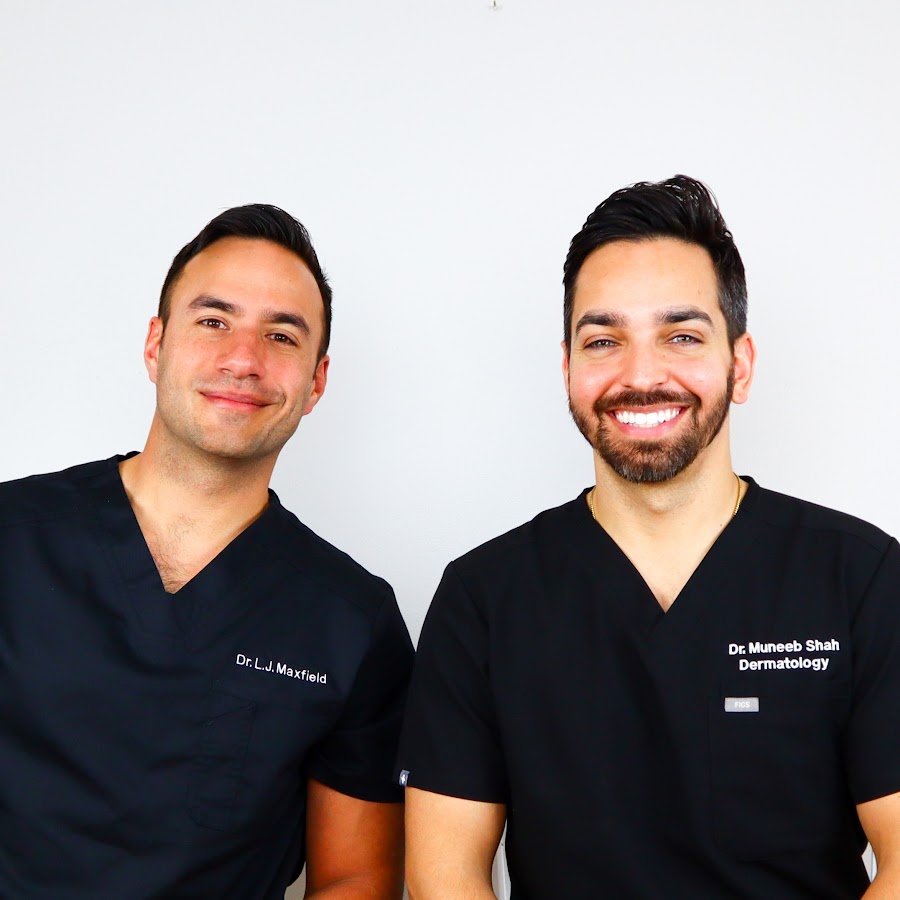
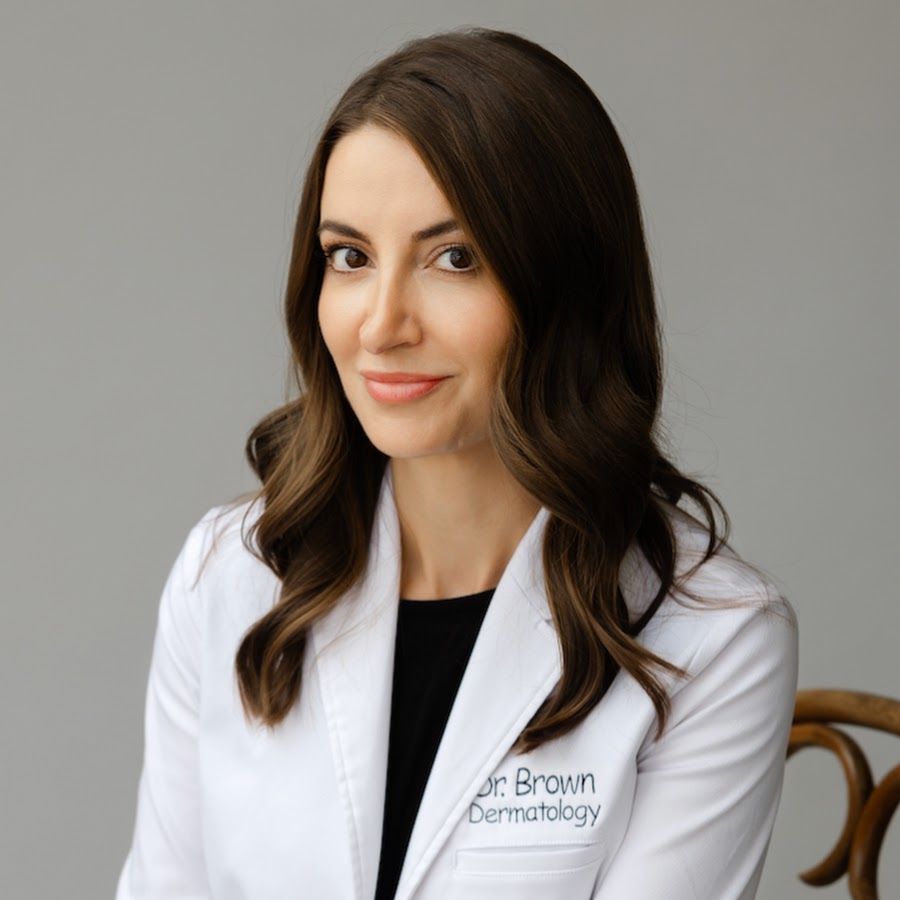
Here is what each of them said on camera, with a link to the moment they said it.
Cautions against putting grocery-store olive oil on your skin, citing research that it can disrupt the skin barrier.
I would caution you against going to the grocery store and buying olive oil and putting it on your skin, it may actually end up leading to more water loss, more dryness, more irritation for you. [...] There's just no evidence that it's helpful, and the research and clinical experience we have actually suggests that it's not very good for your skin.Watch ▸
Say olive oil feeds the malassezia yeast behind dandruff and tinea versicolor, and has no place on your skin by itself.
Olive oil is essentially a petri dish for malassia yeast. This is why it makes dandruff worse, this is why it makes sebic dermatitis worse, this is why it makes tinea versicolor worse. If you're using olive oil as a moisturizer, it's actually going to feed this yeast and make it worse.Watch ▸
Says not to put olive oil on your scalp, because it can feed the yeast behind dandruff and scalp itch.
I'd say olive oil do not do olive oil can actually worsen scalp itch scalp dandruff because the main player behind scalp dandruff and actually flares in your scalp psoriasis is this yeast called malassezia.Watch ▸
Says plain olive oil is a poor makeup remover because it does not emulsify or rinse off.
Using just plain old olive oil is not going to have the same effect as like a cleansing oil or a cleansing balm that's made with oils and waxes and the main reason for that is because it does not emulsify and it doesn't completely rinse off.Watch ▸
Says rinse-off olive oil is not the worst thing, but it is not a good choice for acne-prone skin.
Olive Oil is not the worst thing you could ever do for your skin if you're putting it on and rinsing it off, because oil dissolves [...] things like the oil that's in the skin that acne bacteria eats and feeds off of, but this is not great for acne prone skin. I would recommend a double cleanse instead.Watch ▸
Key takeawayThe experts warn against neat olive oil on dry skin, on acne-prone skin and on the scalp, and point to better-made alternatives.
Where do the experts agree?
The agreement here is mostly about what not to do.
Where they agree
Neat olive oil from the kitchen is a poor moisturiser for dry or irritated skin.
It is a bad match for acne-prone skin.
Keep it off a scalp prone to dandruff or flaking.
If you want an oil to remove makeup, use one made to rinse off.
The caveats
The barrier studies are small: 19 adults in one [1] and a newborn pilot in the other [2].
One 2025 trial found extra virgin olive oil hydrated healthy adult skin without harm, though petrolatum did more [4].
The yeast warning rests on lab culture, not a clinical trial of olive oil on dandruff [5].
Olive oil as one ingredient in a formulated cream is a different thing from neat oil, as Dr Dray points out.
What does the research say about olive oil on skin?
There is not a large body of research, but the studies that exist mostly point the same way: neat olive oil does the skin barrier no favours. One recent trial is kinder to it, so the picture is not completely one-sided.
Olive oil vs sunflower oil on adult skin
The study the experts lean on is from 2013. Nineteen adults, some with a history of eczema and some without, put six drops of olive oil on one forearm twice a day for four to five weeks; in the second part of the study the other forearm got sunflower seed oil [1]. After four weeks, olive oil had significantly reduced the integrity of the skin's outer layer and caused mild redness, in people with and without eczema. Sunflower oil kept that layer intact, caused no redness and improved hydration [1].
The researchers concluded that olive oil could encourage eczema to develop or make existing eczema worse, and that it should be discouraged for dry skin and infant massage [1]. A later review summarises the same work as showing more water loss through the skin after olive oil [3]. It was a small study on forearms, but it is a direct comparison, and the result was clear.
Olive oil on newborn skin
A 2016 pilot trial randomly assigned 115 healthy, full-term newborns to olive oil, sunflower oil or no oil, twice a day for four weeks [2]. Both oil groups had better skin hydration than the no-oil group, but their skin's lipid layers improved less than in babies who had no oil. There were no differences in water loss, pH or redness [2].
This was a pilot, not powered to show clinical effects, and the authors said so. Their conclusion was that caution should be used when recommending oils for newborn skin until more research is done [2].
The trial that came out kinder
A 2025 trial compared extra virgin olive oil with petrolatum on the forearms of 54 healthy adults [4]. Both raised skin hydration and reduced redness. Only petrolatum reduced water loss through the skin, and its effects on the skin surface were stronger [4].
So on healthy adult skin, extra virgin olive oil did not do harm in this trial, and it did hydrate. That sits alongside the 2013 result rather than cancelling it: the two studies measured different things, and the 2013 study included people with eczema. What neither shows is olive oil beating a plain occlusive like petrolatum.
Olive oil and malassezia yeast
Several experts warn that olive oil feeds malassezia, a yeast that lives on the skin of about 90% of adults [5]. Malassezia is linked to dandruff, seborrhoeic dermatitis, pityriasis versicolor (also called tinea versicolor) and malassezia folliculitis [5]. In the lab it grows best when a lipid such as olive oil is added to the culture medium [5].
That lab fact is solid. We did not find a clinical trial that tested whether olive oil on the scalp or body makes these conditions worse, so the step from the petri dish to your skin is the experts' clinical reasoning rather than a tested result. It is a reasonable step, and an easy one to act on: if you are prone to dandruff or seborrhoeic dermatitis, there is little to lose by leaving olive oil off.
Antioxidants and wound healing
Olive oil's phenols are strong antioxidants, and studies in mice and rats have looked at olive oil for pressure ulcers and burns [3]. That is animal work, and it does not tell you what a drizzle of olive oil does to a face. The same review that reports it also notes olive oil's harmful effect on the skin barrier [3].
The thing to rememberOn the skin barrier, the evidence leans against neat olive oil, especially for eczema-prone skin and babies. One trial on healthy adults found it hydrating and harmless, but no study shows it doing a better job than simpler alternatives.
Olive oil for babies, eczema and cradle cap
Olive oil was once a standard tip for a baby's dry skin, massage and cradle cap. The advice has changed.
Eczema UK, the charity formerly known as the National Eczema Society, says olive oil is no longer recommended for cradle cap because it has been found to damage the skin barrier. It says unperfumed mineral oil or a vegetable oil such as coconut or sunseed oil is fine instead [6]. The NHS cradle cap page suggests an emollient or coconut oil to loosen the scales, and says not to use olive oil [7].
The studies behind that shift are the ones above: the adult study that found olive oil damaged the barrier and recommended against it for infant massage [1], and the newborn pilot that urged caution with oils on baby skin [2]. If your baby has eczema or very dry skin, ask your health visitor, GP or pharmacist which emollient to use.
If you remember one thingUK eczema and NHS advice now steer parents away from olive oil on babies' skin and scalps. A plain emollient is the safer choice.
If you still want to use olive oil
Some people use olive oil for years without trouble, and Dr Dray says as much: if it works for you and causes no problems, she is not going to tell you to stop. If you want to try it, these are the points the experts and the research would have you keep in mind.
Olive oil in a product is different
Dr Dray separates neat olive oil from olive oil as one ingredient in a moisturising lotion or cream, which she says seems to be fine. The formula around it changes how it behaves. Her warning is about taking a bottle from the kitchen to the bathroom.
As a makeup remover
Oil does dissolve makeup and sunscreen, and Dr. Aleksandra Brown agrees with that much. But Mixed Makeup points out that plain olive oil does not emulsify, so it does not rinse off cleanly, and Cassandra Bankson suggests a proper double cleanse instead. A cleansing oil or balm made to rinse off does the same job without the film.
If your skin is acne-prone
Dr. Aleksandra Brown calls olive oil on your face a terrible idea if you have any breakouts, and Cassandra Bankson says it is not a great option for acne. We found no good trial of olive oil on acne either way.
On your scalp
Dr. Daniel Sugai advises against olive oil on the scalp, especially if you have dandruff or an itchy scalp, because of the malassezia yeast [5]. If you are using an oil on your scalp for hair growth, he is also not won over by the evidence for rosemary oil, which is covered in its own guide.
After shaving or exfoliating
Dr Dray would not use olive oil as a post-shave moisturiser, because freshly shaved or exfoliated skin is more easily irritated and lets more through. Dr. Aleksandra Brown also warns against mixing olive oil with sugar as a face scrub, because scrubbing can damage the skin barrier.
Worth knowingIf you love it and your skin is fine, the experts will not insist you stop. For dry, eczema-prone, acne-prone or flaky skin, there are better choices.
What to use instead of olive oil
The experts' alternatives depend on what you wanted the olive oil to do.
For dry skin
A formulated moisturiser, or an occlusive such as petrolatum, which reduced water loss where extra virgin olive oil did not in a head-to-head trial [4]. If you want a plant oil, sunflower seed oil kept the barrier intact and improved hydration in the same study where olive oil harmed it [1]. Dr Dray points to sunflower seed oil and coconut oil as oils with a better track record for eczema-prone skin.
For taking off makeup
A cleansing oil or cleansing balm made to emulsify and rinse off, followed by a gentle cleanser if you like a double cleanse.
For a baby's skin or cradle cap
A plain, unperfumed emollient, or coconut oil for cradle cap, as the NHS suggests [7]. Eczema UK also lists unperfumed mineral oil and sunseed oil as fine [6].
The short versionFor moisture, a formulated moisturiser or petrolatum. For makeup, a cleansing balm. For babies, a plain emollient.
Frequently asked questions about olive oil
01
Is olive oil good for your skin?
Not as a neat moisturiser, according to most of the experts we track and most of the research. Olive oil is rich in oleic acid, which can loosen the skin barrier [3]. In adults it reduced the barrier's integrity and caused mild redness, while sunflower oil did not [1].
02
Is olive oil good for dry skin?
Probably not the best choice. In a forearm study olive oil damaged the skin barrier, while sunflower seed oil kept it intact and improved hydration [1]. A 2025 trial did find extra virgin olive oil hydrating on healthy skin, but petrolatum did more and was the only one to reduce water loss [4]. A formulated moisturiser or petrolatum is the safer bet.
03
Is olive oil good for eczema?
The advice is no. The 2013 study found olive oil damaged the skin barrier in people with and without a history of eczema, and the authors said it could make eczema worse [1]. Eczema UK no longer recommends it [6]. Dr Dray points to sunflower seed oil and coconut oil as oils with a better record for eczema-prone skin.
04
Is olive oil safe for babies?
UK advice now steers away from it. Eczema UK says olive oil is no longer recommended for cradle cap because it damages the skin barrier [6], and the NHS says not to use it, suggesting an emollient or coconut oil instead [7]. A newborn pilot trial also urged caution with oils on baby skin [2]. Ask your health visitor if you are unsure.
05
Can I use olive oil for cradle cap?
The NHS says not to use olive oil for cradle cap, and suggests gently massaging in an emollient or coconut oil to loosen the scales [7]. Eczema UK says the same about olive oil, and lists unperfumed mineral oil or vegetable oils such as coconut or sunseed oil as fine to use [6].
06
Does olive oil clog pores or cause acne?
We found no good trial that answers this directly. The experts' advice is still clear: Dr. Aleksandra Brown calls olive oil on your face a terrible idea if you have breakouts, and Cassandra Bankson says it is not a great option for acne-prone skin. If you break out easily, a cleanser made for acne-prone skin is a better choice.
07
Is olive oil good for dandruff or an itchy scalp?
The experts say no. Dandruff and seborrhoeic dermatitis are linked to malassezia, a yeast on most people's skin, and in the lab it grows best when a lipid such as olive oil is added to its culture medium [5]. Dr. Daniel Sugai and Doctorly advise keeping olive oil off a flaky scalp. We found no trial testing this directly on people.
08
Can I use olive oil to remove makeup?
It will dissolve makeup, but it is not ideal. Mixed Makeup points out that plain olive oil does not emulsify, so it leaves a film that is hard to rinse off. Cassandra Bankson suggests a double cleanse instead. A cleansing oil or balm made to rinse off with water does the same job more cleanly.
09
Is olive oil better than coconut oil for skin?
For the skin barrier, the experts and the research favour coconut oil. Dr Dray notes that coconut oil has more research behind it for eczema-prone skin, and the NHS suggests coconut oil, not olive oil, for cradle cap [7]. Olive oil's high oleic acid content is the main reason it comes off worse [3]. See our coconut oil guide for the full picture.
10
Olive oil vs sunflower oil: which is better for skin?
Sunflower oil, in the one direct comparison. When adults applied both to their forearms for four weeks, olive oil reduced the integrity of the skin's outer layer and caused mild redness, while sunflower seed oil kept the barrier intact and improved hydration [1]. Sunflower oil has more linoleic acid, which supports the barrier, and olive oil more oleic acid [3].
11
Is it okay if my moisturiser contains olive oil?
Usually, yes. Dr Dray says olive oil inside a moisturising lotion or cream seems to be fine, and that her caution is about neat oil from the kitchen. The rest of the formula changes how it behaves on the skin. If a product suits your skin, an olive oil listing on the label is not a reason to stop.
12
Is olive oil safe to use in pregnancy?
We found no research flagging a pregnancy concern with olive oil on the skin, and none studying it specifically. The barrier cautions in this guide still apply. If you are unsure about anything in your routine while pregnant or breastfeeding, check with your doctor, midwife or pharmacist.
The experts behind the score
6 experts, 8 mentions, every one traced to a video you can watch. Sponsored takes are excluded.
Danby SG, AlEnezi T, Sultan A, Lavender T, Chittock J, Brown K, Cork MJ. Effect of olive and sunflower seed oil on the adult skin barrier: implications for neonatal skin care. Pediatric Dermatology, 2013. pubmed.ncbi.nlm.nih.gov/22995032/
Cooke A, Cork MJ, Victor S, Campbell M, Danby S, Chittock J, Lavender T. Olive Oil, Sunflower Oil or no Oil for Baby Dry Skin or Massage: A Pilot, Assessor-blinded, Randomized Controlled Trial (the Oil in Baby SkincaRE [OBSeRvE] Study). Acta Dermato-Venereologica, 2016. pubmed.ncbi.nlm.nih.gov/26551528/
Lin TK, Zhong L, Santiago JL. Anti-Inflammatory and Skin Barrier Repair Effects of Topical Application of Some Plant Oils. International Journal of Molecular Sciences, 2017. pubmed.ncbi.nlm.nih.gov/29280987/
Rubio-Santoyo A, Sanabria-de la Torre R, Montero-Vílchez T, Girón-Prieto MS, Gómez-Farto A, Arias-Santiago S. Effects of Extra Virgin Olive Oil and Petrolatum on Skin Barrier Function and Microtopography. Journal of Clinical Medicine, 2025. pubmed.ncbi.nlm.nih.gov/40649050/
This guide combines two kinds of information. The expert consensus comes from 8 mentions of olive oil by 6 skincare experts in their YouTube videos. Each one was read, given a Yay, Mixed or Nay verdict and linked to the moment it was said. Sponsored takes are excluded. The research sections summarise published studies and medical sources, listed in full above.
The Guru Score measures how warmly the experts talk about olive oil. It is not a measure of clinical effectiveness, and this guide is not medical advice. It has not been reviewed by a doctor.
This guide is general information, not medical advice. The Guru Score reflects how warmly the experts we track talk about olive oil; it is not a measure of clinical efficacy. Speak to a dermatologist or doctor about a diagnosed skin condition, and before using any medicine.