Prefers kojic acid to hydroquinone for darker skin, alongside niacinamide and licorice root.
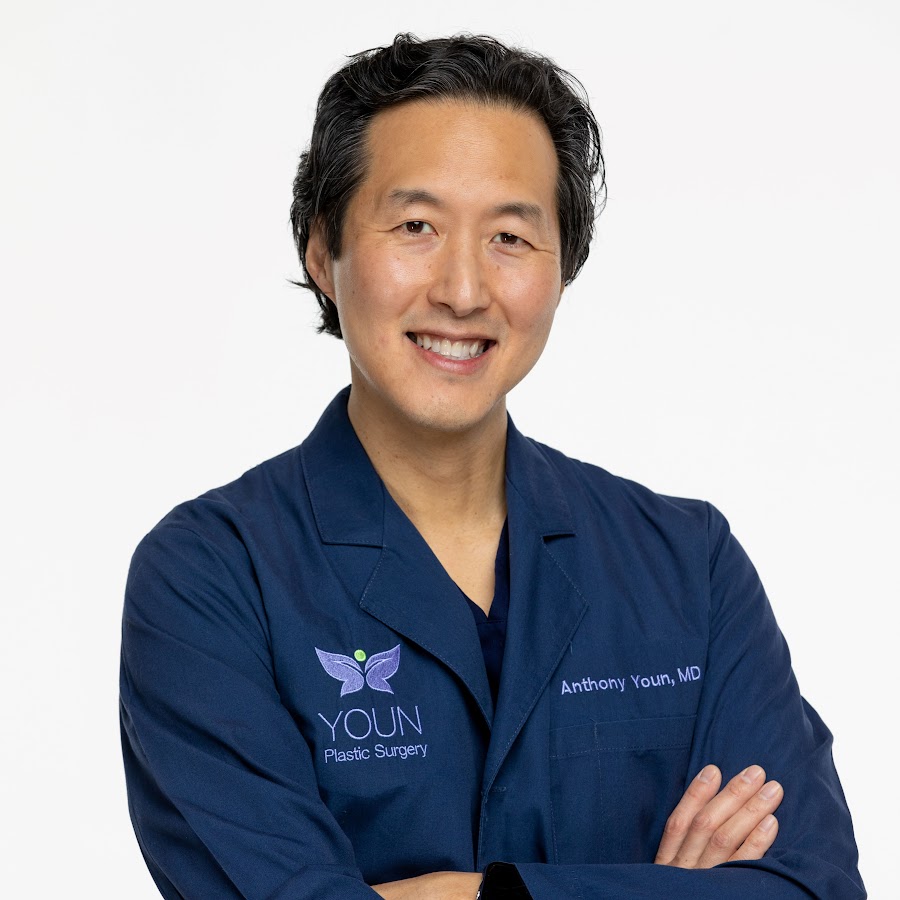
So if you've got darker skin stay away from the hydroquinone and stay with kojic acid niacinamide or licorice rootWatch ▸
The fungus-made brightener behind a wave of creams, serums and viral soaps. What it does, what the research shows, the EU limit, and what 5 skincare experts said about it on camera.


Kojic acid soaps have gone viral on social media, and the questions have followed. Does a soap even work? Is kojic acid safe, and why does the EU limit it? Can you use it on your body? And how does it stack up against hydroquinone or tranexamic acid?
Short version: the experts we follow reach for kojic acid for dark spots, melasma and uneven tone, usually alongside other brighteners. The research agrees it helps melasma, but more gently than hydroquinone or tranexamic acid [4, 5].
Kojic acid has been sold in brightening skincare since at least 1988 [9], and today it has a Guru Score of 60%. The cautions behind that number are mostly about format: the viral soaps and exfoliating pads get much cooler words than the creams and serums. Below, what the experts said sits right next to what the studies and the European safety review found, so you can see where the two line up.
Kojic acid is a skincare ingredient used to fade dark spots, melasma and uneven skin tone. The experts we track use it for dark spots and uneven tone, and are warier of the viral soaps and pads. The research supports it as a modest helper for melasma: a large review found it worked, though less strongly than hydroquinone or tranexamic acid, with irritation in about 5% of people [4]. A small share of people develop an allergy to it [2, 9]. In the EU it is only allowed in face and hand products, at up to 1% [3].
| Question | What we found |
|---|---|
| What is it used for? | Fading pigmentation: dark spots, melasma and uneven tone [1, 12]. |
| What do skincare experts think? | They use it for dark spots and tanning, usually with other brighteners, and are cooler on the soaps and pads. |
| Where does it come from? | It is made by fungi such as Aspergillus and Penicillium [2]. |
| Does it irritate? | Sometimes. Irritation showed up in about 5% of people across melasma studies [4], and a small share develop a true allergy [2, 9]. |
| Is there a legal limit? | In the EU, yes: up to 1%, and only in face and hand products [3]. |
| How long until it works? | Most trials judged results at 12 weeks [5, 7, 8]. |
Kojic acid is a natural by-product made by several kinds of fungi, including Aspergillus and Penicillium [2]. It turns up in creams, lotions and soaps sold for brightening [1].
It works on the pigment itself. Your pigment cells need an enzyme called tyrosinase to make melanin, and kojic acid blocks that enzyme, so less pigment gets made [1, 2].
Here is what each of them said on camera, with a link to the moment they said it.
So if you've got darker skin stay away from the hydroquinone and stay with kojic acid niacinamide or licorice rootWatch ▸
If you have dark spots, [...] you can use a kojic acid based serum twice in a day. This can help in lightening dark spots. Remember that skin on the buttock area shows response very slowly, it's not as fast as the changes that you see on your face, so you have to be very patient with treatment and use it regularly in order to see results.Watch ▸
Kojic acid is the gold standard of de-tanning your bodyWatch ▸
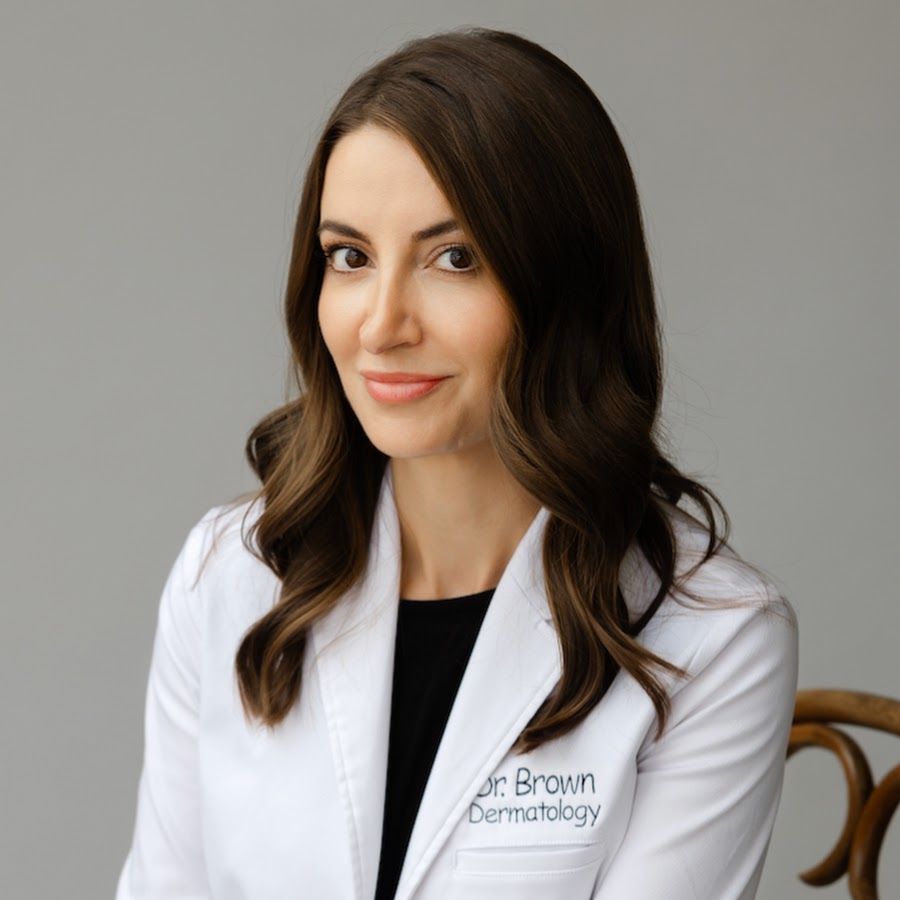
Turmeric and kojic acid are excellent ingredients in treating melasma, however I don't know that turmeric and kojic acid are as good as they're hyped up to be on TikTok. [...] the turmeric kojic acid pads are certainly a good option, just make sure you're really careful with them as there is an exfoliating side that can irritate the skin.Watch ▸
Y'all might want to chill with them Kojic Acid and Turmeric Soaps. Both Kojic Acid and Turmeric Soaps have gained huge popularity on the internet with users shouting from the rooftops about what an amazing job they've done to clear their skin. Now I can't front, some of these results have been impressive. However, there are some things that you need to know before you even think about start using these soaps or continue using them.Watch ▸
The experts like it in creams and serums and cool off on the soaps, so the caveats are where the useful detail sits.
Most of the evidence is for melasma. A 2023 meta-analysis of topical melasma treatments found that kojic acid worked, and its authors grouped it with hydroquinone, tranexamic acid and azelaic acid as giving comparable results [4]. Its average effect was the smallest of that group, though, and the kojic acid trials we found are small, several of them from the 1990s [6, 7].
Head to head, the picture is mixed. In a 60 person trial, 4% hydroquinone cream worked faster and better than a cream with 0.75% kojic acid and vitamin C over 12 weeks [5]. In an older split-face study, glycolic acid with kojic acid did about as well as glycolic acid with hydroquinone, but the kojic acid side was more irritating [6].
It seems to do its best work as part of a blend. Adding 2% kojic acid to a gel of glycolic acid and hydroquinone cleared more melasma than the same gel without it [7], and in an 80 person trial, kojic acid combined with hydroquinone beat kojic acid alone [8]. A 2025 pilot study of 30 people found a cream with 5% alpha-arbutin and 2% kojic acid did about as well as the standard triple combination cream on most measures, with less redness and stinging [13].
Side effects are usually mild. Across the melasma studies, about 5% of people using kojic acid reported irritation, against about 1% on tranexamic acid, 19% on azelaic acid and about half on hydroquinone combinations [4].
Kojic acid can cause allergic contact dermatitis, an itchy, red rash that comes back every time you use it. In a Japanese clinic study, 5 of the 8 patients who had used kojic acid products and came in with suspected cosmetic reactions were allergic to it, and their facial rashes appeared 1 to 12 months after they started [9]. One case report even describes a kojic acid allergy that left darker patches behind, the opposite of what the cream was for [2, 10].
The EU's Scientific Committee on Consumer Safety looked at all of this and judged that allergy to kojic acid is very uncommon overall [2]. Both things can be true: rare across everyone, but worth knowing about if a product starts to itch.
The EU reviewed kojic acid's safety because of reports that it can interfere with how the thyroid handles iodine. In 2022 its Scientific Committee on Consumer Safety concluded it is safe as a skin lightener in cosmetics at up to 1% [2]. The committee assessed it in face and hand creams, and noted that using it with peeling ingredients could let more of it through a weakened skin barrier [2].
The EU then wrote that into law. Since 2025, kojic acid may only be used in EU cosmetics as a skin lightener in face and hand products, at no more than 1% [3]. A kojic acid body lotion or body soap falls outside that permission. The rules are different outside the EU.
Some of our experts like it below the neck. Nipun Kapur, a skincare consultant, calls it the gold standard for fading a tan on the body, and Dr. Aanchal MD, a dermatologist, suggests a kojic acid serum for dark spots on the buttocks, warning that body skin responds far more slowly than the face. We found no trials of kojic acid on the body.
The soaps get the coolest reception. The Style and Beauty Doctor urges caution with the viral kojic acid and turmeric soaps, and Dr. Aleksandra Brown, a dermatologist, rates the turmeric and kojic acid cleansing pads as a reasonable extra but warns that their exfoliating side can irritate.
Kojic acid is one of several ingredients that block or calm pigment production, and the melasma meta-analysis lets you see them side by side [4].
Hydroquinone is the stronger fader: 4% hydroquinone beat a 0.75% kojic acid cream in a head-to-head trial [5]. It is also far more likely to irritate when used in combination creams [4]. Doctor Youn, a plastic surgeon, advises people with darker skin to skip hydroquinone and stay with kojic acid, niacinamide or licorice root. See our hydroquinone guide for more.
In the meta-analysis, tranexamic acid showed a bigger average effect on melasma and the lowest irritation of any agent, under 1% [4]. The two are often blended: a serum with 3% tranexamic acid, 1% kojic acid and 5% niacinamide improved melasma and dark marks over 12 weeks in one study [11]. See our tranexamic acid guide.
Azelaic acid showed a larger average effect on melasma, but irritated more people: about 19%, against about 5% for kojic acid [4]. See our azelaic acid guide for what else it does.
Several of the melasma trials applied kojic acid once a day at night and judged the results at 12 weeks [5, 8]. The strengths studied range from 0.75% to 2% [5, 7, 13], and the EU caps cosmetic products at 1% [3].
The American Academy of Dermatology says effective treatment for dark spots begins with sunscreen, applied to all skin that clothing will not cover [12]. Without it, any brightener is fighting a losing battle.
Because a small share of people become allergic, try a new kojic acid product on a small patch of skin first. Allergic reactions to it have shown up weeks or months after starting [9], so stop if a rash or itch appears later on. The AAD's advice is simple: if a product burns or stings, stop using it [12].
Most trials ran for 12 weeks [5, 7, 8]. Dr. Aanchal MD adds that body skin responds more slowly than the face, so plan on longer below the neck.
Kojic acid is usually sold in a blend, and the research suggests that is where it earns its keep [7, 8]. The usual rule still applies: add one new active at a time, so you can tell what your skin is reacting to.
A common trio. One 12 week study of a serum combining all three found improvements in melasma and post-acne marks [11], though it tested the blend, so it cannot say what each ingredient added. Doctor Youn names kojic acid and niacinamide together, and Nipun Kapur combines kojic acid with tranexamic acid and retinol.
Two of the trials paired kojic acid with glycolic acid, and both reported irritation [6, 7]. The EU safety committee also flagged that peeling ingredients can let more kojic acid through the skin [2]. If you use an AHA, BHA or retinoid, let your skin settle into it first and consider using kojic acid on different nights.
Another common pairing. A small 2025 pilot study of a 5% alpha-arbutin and 2% kojic acid cream found results close to the standard triple combination cream for melasma, with less redness and stinging [13].
Kojic acid is used to fade pigmentation: dark spots, melasma and uneven skin tone. It blocks tyrosinase, the enzyme pigment cells need to make melanin [1, 2].
It helps, but modestly. A 2023 meta-analysis found kojic acid improved melasma, with a smaller average effect than hydroquinone, tranexamic acid or azelaic acid [4]. In one trial, 4% hydroquinone beat a 0.75% kojic acid cream [5], while adding kojic acid to a hydroquinone and glycolic acid gel improved results [7]. Expect gradual change over about 12 weeks, alongside daily sunscreen.
In the EU, its safety committee judged it safe as a skin lightener in cosmetics at up to 1% [2], and the law now limits it to face and hand products at that strength [3]. The main risks are irritation, reported in about 5% of people in melasma studies [4], and a less common allergy that can appear months after you start [9].
Yes, though it is uncommon. In one Japanese clinic study, 5 of 8 patients who had used kojic acid products and came in with suspected cosmetic reactions were allergic to it [9], and a case report describes an allergy that left darker patches [2, 10]. The EU safety committee judged allergy very uncommon overall [2]. If a product starts to itch or a rash appears, stop using it.
Most trials used between 0.75% and 2% [5, 7, 13], and in the EU cosmetic products are capped at 1% [3]. Nipun Kapur, a skincare consultant, mentions a 1% kojic acid lotion as gentle enough for teenagers. A higher number is not automatically better, since irritation and allergy are the main downsides.
We found no trials of kojic acid soaps. The melasma trials used leave-on creams and gels [5, 7, 8]. The Style and Beauty Doctor urges caution with the viral kojic acid and turmeric soaps, and in the EU kojic acid is only allowed in face and hand products [3], which rules out body soaps there.
Some of our experts do. Nipun Kapur calls it the gold standard for fading a tan on the body, and Dr. Aanchal MD suggests a kojic acid serum for dark spots on the buttocks. We found no trials of kojic acid on the body, and the EU only permits it in face and hand products [3]. Body skin also responds more slowly, says Dr. Aanchal MD.
Hydroquinone is the stronger fader: 4% hydroquinone beat a 0.75% kojic acid cream in a 60 person trial [5]. Hydroquinone combinations also caused far more irritation in a large review [4]. Doctor Youn, a plastic surgeon, recommends people with darker skin avoid hydroquinone and use kojic acid, niacinamide or licorice root instead.
Yes, and many products combine them. A 12 week study of a serum with 3% tranexamic acid, 1% kojic acid and 5% niacinamide found improvements in melasma and dark marks [11]. Doctor Youn names kojic acid alongside niacinamide and licorice root, and Nipun Kapur combines it with tranexamic acid and retinol.
Give it about 12 weeks. That is how long most of the melasma trials ran before judging results [5, 7, 8]. Dr. Aanchal MD, a dermatologist, warns that body skin responds more slowly than the face, so be patient there. Daily sunscreen matters as much as the cream itself [12].
We found no studies of kojic acid in pregnancy, so ask your doctor or midwife first. Nipun Kapur, a skincare consultant, puts it in the grey area and advises avoiding it during pregnancy.
5 experts, 9 mentions, every one traced to a video you can watch. Sponsored takes are excluded.
This guide combines two kinds of information. The expert consensus comes from 9 mentions of kojic acid by 5 skincare experts in their YouTube videos. Each one was read, given a Yay, Mixed or Nay verdict and linked to the moment it was said. Sponsored takes are excluded. The research sections summarise published studies, the EU safety review and medical sources, listed in full above.
The Guru Score measures how warmly the experts talk about kojic acid. It is not a measure of clinical effectiveness, and this guide is not medical advice. It has not been reviewed by a doctor.
This guide is general information, not medical advice. The Guru Score reflects how warmly the experts we track talk about kojic acid; it is not a measure of clinical efficacy. Speak to a dermatologist or doctor about a diagnosed skin condition, and before using any medicine.